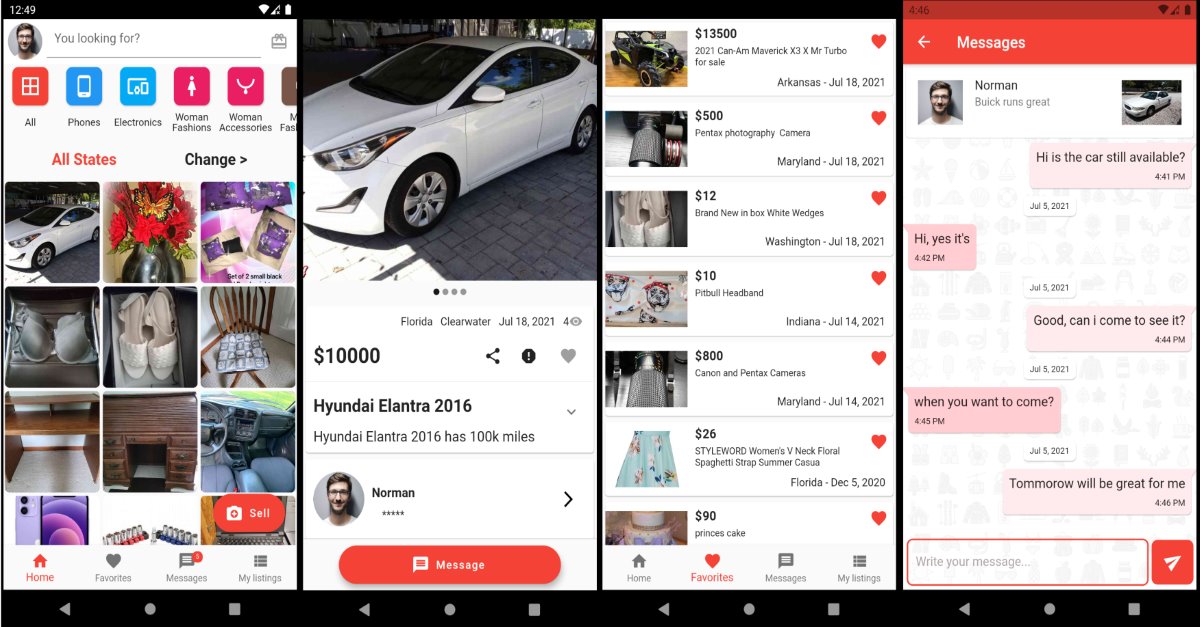
Secondhand marketplaces and local flea markets connect millions of neighbors every day. Whether you are hunting for vintage furniture, electronics, or selling clothes you no longer wear, local commerce is rewarding, sustainable, and budget-friendly. However, because you are meeting in person, safety must always remain your top priority.
1. Choose Busy, Public Meetup Locations
Never invite an unknown buyer or seller to your home unless you are moving heavy furniture or large appliances that cannot be transported easily. Instead, agree to meet in broad daylight at a public place with plenty of foot traffic and security cameras:
- Designated Police Station Safe Exchange Zones: Many local police stations offer well-lit parking lots monitored 24/7 specifically for classified transactions.
- Busy Coffee Shops or Diners: Neutral ground with staff and customers around.
- Bank Lobbies: Ideal for higher-value transactions where cash counting or immediate deposit is needed.
2. Keep All Communications on Platform
Scammers frequently try to divert conversations off the platform to WhatsApp, Telegram, or personal email immediately after contacting you. Keeping all messages inside FleaMarketBay preserves a timestamped record of agreements, pricing, and buyer behavior, giving you recourse if any issue arises.
"If an interested buyer refuses to communicate through the marketplace messaging tool, treat it as an immediate red flag."
3. Inspect the Merchandise Before Paying
Always inspect items carefully in person before handing over money. For electronics, request that the seller bring the device fully charged so you can test battery health, touchscreen responsiveness, cameras, Wi-Fi connectivity, and verify that all accounts (such as iCloud or Google accounts) are cleanly signed out.
4. Beware of Overpayment and Fake Check Scams
One of the oldest classified scams involves a buyer sending a counterfeit cashier’s check or fraudulent mobile payment for more than the asking price, then asking you to wire back the "accidental excess." Always stick to cash or verified in-person instant transfers.
5. Bring a Friend Along
Whenever possible, bring a friend or family member with you to the transaction. There is undeniable safety in numbers, and having a second set of eyes helps verify that the item matches its listing description.
Summary Checklist
Trading secondhand is fun and environmentally responsible. By choosing secure public locations, testing items thoroughly, and trusting your instincts, you can make every local transaction safe, profitable, and hassle-free.